The pagan holidays are eight seasonal festivals called sabbats, and together they make up the Wheel of the Year: Samhain, Yule, Imbolc, Ostara, Beltane, Litha, Lammas, and Mabon. Four of them fall on the solstices and equinoxes, and the other four fall roughly halfway between, so a sabbat comes around about every six weeks. Each one marks a turn in the seasons, from the first green of spring to the last of the harvest.
What Are the Pagan Holidays?
The pagan holidays are the eight festivals of the Wheel of the Year, the yearly cycle that most modern witches, Wiccans, and many other pagans celebrate. You'll also hear them called sabbats, Wiccan holidays, or witch holidays, and the whole set is sometimes called the pagan calendar.
The eight sabbats split into two groups of four:
- The solar festivals fall on the solstices and equinoxes: Yule, Ostara, Litha, and Mabon.
- The fire festivals fall roughly halfway between them: Samhain, Imbolc, Beltane, and Lammas. These four come from the old Gaelic calendar, which started each season on the first of the month.
"Pagan" covers a lot of paths, and not every pagan follows the Wheel of the Year. Heathens, Hellenic polytheists, and other reconstructionist traditions keep their own festival calendars. The eight sabbats are the most widely shared, which is why they're usually what people mean by "the pagan holidays."
Wheel of the Year 2026 and 2027 Dates
The fire festivals keep the same dates every year, while the solstices and equinoxes shift by a day or so. These are the Northern Hemisphere dates, with the solstice and equinox times in Eastern Time:
| Sabbat | What it marks | 2026 | 2027 |
|---|---|---|---|
| Imbolc | First stirrings of spring | February 1 to 2 | February 1 to 2 |
| Ostara | Spring equinox | March 20 (10:46 AM) | March 20 (4:25 PM) |
| Beltane | Start of summer | May 1 | May 1 |
| Litha | Summer solstice | June 21 (4:24 AM) | June 21 (10:11 AM) |
| Lammas | First harvest | August 1 | August 1 |
| Mabon | Autumn equinox | September 22 (8:05 PM) | September 23 (2:02 AM) |
| Samhain | Final harvest and the ancestors | October 31 to November 1 | October 31 to November 1 |
| Yule | Winter solstice | December 21 (3:50 PM) | December 21 (9:42 PM) |
Many practitioners celebrate on the evening before a fire festival, since the old Gaelic day began at sunset. Some people celebrate on the nearest weekend, the nearest full moon, or the astronomical midpoint between a solstice and an equinox, which falls a few days after the traditional date. For Samhain, that midpoint lands around November 7. Our moon calendar shows the phase on any date if you'd like to plan around the moon.
The 8 Sabbats
Here is each sabbat in order around the wheel, starting with Samhain, which many witches call the witches' new year.
Samhain (October 31 to November 1)
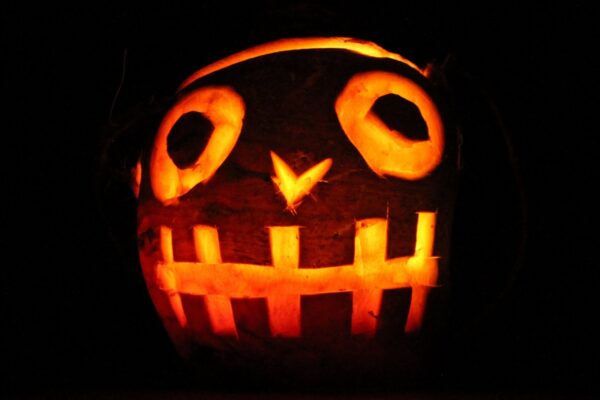
Samhain marks the end of the harvest and the start of the dark half of the year, and it's the sabbat for honoring the dead. Many pagans believe the veil between the living and the spirit world is at its thinnest on Samhain night, so it's a time to remember ancestors, family, friends, and pets who have passed. It shares the night with Halloween. Common ways to celebrate include setting a place for the dead at a dumb supper, leaving Samhain offerings, and holding an ancestor ritual. Most English speakers say "SOW-in," and our Samhain pronunciation guide covers the Irish, Scottish, and Welsh versions. Our guide to what Samhain is covers its meaning, history, traditions, and correspondences.
Yule (Winter Solstice, About December 21)
Yule celebrates the winter solstice, the longest night of the year, and the return of the sun as the days begin to lengthen. People have marked this turning point since the Stone Age: the passage tomb at Newgrange in Ireland was built so the solstice sunrise lights its inner chamber. Yule traditions include bringing evergreens indoors, burning a Yule log, feasting, and giving gifts. Start with what Yule is, then see our Yule correspondences, winter solstice traditions, and how to choose wood for a Yule log.
Imbolc (February 1 to 2)
Imbolc marks the first stirrings of spring, when the days are noticeably longer and the ewes once began giving milk before the spring lambs arrived. It's the festival of the Irish goddess Brigid, and it falls on the same days as Saint Brigid's Day, Candlemas, and Groundhog Day. Imbolc is a time for lighting candles, spring cleaning, and fresh starts. Our Imbolc guide and Imbolc correspondences cover the rest.
Ostara (Spring Equinox, About March 20)
Ostara celebrates the spring equinox, when day and night are equal and the light is growing. It's a sabbat of new beginnings, planting, and fertility, which is where the eggs, seeds, and hares come in. The name comes from Jacob Grimm's reconstruction of Ēostre, an Anglo-Saxon goddess whose spring feasts the monk Bede wrote about in the eighth century. See our Ostara correspondences and an Ostara ritual for new beginnings.
Beltane (May 1)
Beltane marks the start of summer and celebrates fire, fertility, and everything in full bloom. In the Gaelic calendar it was the opposite point of the year from Samhain, so where Samhain honors the dead, Beltane celebrates life. Traditions include bonfires, dancing around a maypole, and gathering flowers before dawn. In Germanic countries the night before is Walpurgis Night. Our Beltane correspondences and Beltane foods can help you plan.
Litha (Summer Solstice, About June 21)
Litha, also called Midsummer, celebrates the summer solstice, the longest day of the year and the sun at its strongest. It's also a turning point, since the days start to shorten from here. The name comes from an Anglo-Saxon month name that Bede recorded. Midsummer customs include bonfires, staying up to watch the sunrise, and gathering herbs at their peak. Try a sun-charged kitchen full of summer solstice foods from around the world, or read Midsummer: The Reawakening of a Witch.
Lammas or Lughnasadh (August 1)
Lammas is the first harvest festival, the time to give thanks for grain and bread. The English name comes from "loaf-mass," the old church custom of blessing loaves made from the first wheat. Its Gaelic name, Lughnasadh, honors the god Lugh, and some traditions treat the two as separate holidays. Baking bread is the classic way to celebrate. Find our Lammas correspondences, an easy Lammas ritual, a Lammas bread recipe, and how to pronounce Lughnasadh ("LOO-nuh-suh").
Mabon (Autumn Equinox, About September 22)
Mabon celebrates the autumn equinox, the second harvest, when day and night are equal again and the dark is growing. It's a sabbat of thanksgiving, balance, and sharing what the year produced. The Wiccan writer Aidan Kelly gave it the name in the 1970s, after Mabon ap Modron of Welsh mythology. Read Mabon's meaning and history, our Mabon correspondences, and a Mabon ritual for balance.
Where the Wheel of the Year Comes From
The Wheel of the Year as an eight-festival cycle is modern, but the festivals in it are old. Ancient peoples of the British Isles marked different parts of the year: the Anglo-Saxons mostly marked the solstices and equinoxes, while the Gaelic peoples marked Samhain, Imbolc, Beltane, and Lughnasadh.
In the mid-twentieth century, two British groups combined them into one calendar: Gerald Gardner's Bricket Wood coven, the group at the root of Wicca, and the druid order founded by Ross Nichols. The phrase "Wheel of the Year" was in use by the mid-1960s. In the 1970s, Aidan Kelly gave the names Ostara, Litha, and Mabon to the solstice and equinox festivals, and those names slowly caught on. Even Doreen Valiente, one of the most influential Wiccan writers, still called them by their seasons in 1978.
That mix is why the sabbat names blend Gaelic words like Samhain and Imbolc with Germanic ones like Yule and Ostara.
Greater and Lesser Sabbats
The greater sabbats are the four fire festivals (Samhain, Imbolc, Beltane, and Lammas), and the lesser sabbats are the four solar festivals (Yule, Ostara, Litha, and Mabon). The terms come from early Wicca. "Lesser" doesn't make the solstices and equinoxes less important; many practitioners make Yule one of the biggest celebrations of their year.
Pagan Holiday Dates in the Southern Hemisphere
In the Southern Hemisphere, many pagans shift the Wheel of the Year by six months so the sabbats match their own seasons. Samhain moves to the end of April, when autumn is ending there, and Beltane moves to the start of November:
| Sabbat | Southern Hemisphere date |
|---|---|
| Samhain | April 30 to May 1 |
| Yule | Winter solstice, about June 21 |
| Imbolc | August 1 to 2 |
| Ostara | Spring equinox, about September 22 |
| Beltane | October 31 to November 1 |
| Litha | Summer solstice, about December 21 |
| Lammas | February 1 to 2 |
| Mabon | Autumn equinox, about March 20 |
Some Southern Hemisphere practitioners keep the Northern dates instead, to stay in step with the traditions' origins or with friends overseas. Both are common.
Are Christmas, Easter, and Halloween Pagan Holidays?
Christmas, Easter, and Halloween are Christian holidays, but each one shares its season with an older festival and carries customs that came from it. The Bible doesn't name any "pagan holidays," so when people ask what the pagan holidays are according to the Bible, they usually mean whether these three borrowed from paganism. In part, they did:
- Christmas falls days after the winter solstice. Evergreens, the Yule log, and midwinter feasting came from northern European Yule traditions, and the Roman festival of Saturnalia in late December was known for feasts and gift giving. Historians still debate why the church chose December 25.
- Easter takes its date from Passover and the moon, not from a pagan festival. Its English name is another story: Bede wrote that the month of Easter was named for the goddess Ēostre, the same figure behind the name Ostara.
- Halloween began as All Hallows' Eve, the night before All Saints' Day, and it falls on Samhain. Some scholars see the church's November date as a way to absorb Samhain, and others disagree, but customs like guising and remembering the dead run through both.
How to Celebrate the Pagan Holidays
There's no single right way to celebrate a sabbat. Most celebrations come down to noticing the season, marking it with something you make or do, and sharing it with people you love. Many pagans celebrate in some of these ways:
- Decorating an altar with seasonal flowers, leaves, colors, and candles. Our altar builder lets you plan one for any sabbat.
- Cooking a seasonal meal, like bread at Lammas, apples at Mabon, or a feast at Yule.
- Spending time outdoors, whether that's a walk, a bonfire, or watching the solstice sunrise.
- Holding a ritual, alone or with a group. The guides linked under each sabbat above include simple ones.
- Writing it down in your grimoire or Book of Shadows, so each year you can look back at the last turn of the wheel.
You don't need to be Wiccan, belong to a coven, or celebrate all eight. Plenty of people start with the one or two sabbats that speak to them and add more over time.
Sabbats vs. Esbats
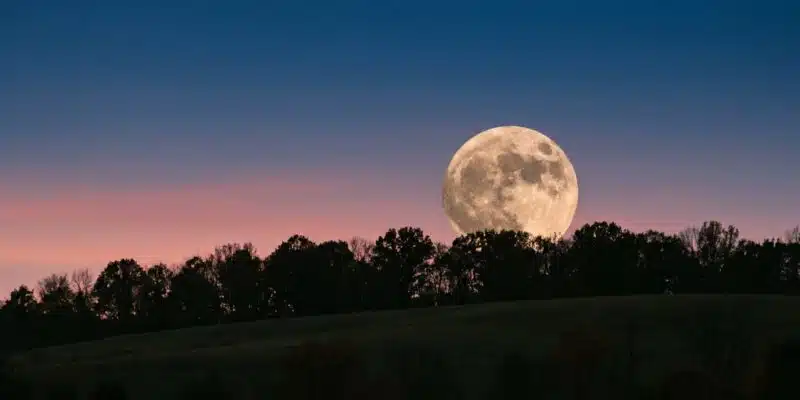
Sabbats are the eight seasonal festivals of the Wheel of the Year, and esbats are the monthly gatherings at the full moon (and sometimes the new moon). Sabbats follow the sun through the seasons, while esbats follow the moon, so a year has eight sabbats and twelve or thirteen esbats. For the monthly side, see our full moon ritual and full moon names.
Pagan Holidays FAQ
How many pagan holidays are there?
There are eight main pagan holidays, called sabbats, in the Wheel of the Year: Samhain, Yule, Imbolc, Ostara, Beltane, Litha, Lammas, and Mabon. Some pagan traditions add other festivals or follow their own calendars.
What are the 8 sabbats?
The 8 sabbats are Samhain (October 31), Yule (winter solstice), Imbolc (February 1), Ostara (spring equinox), Beltane (May 1), Litha (summer solstice), Lammas (August 1), and Mabon (autumn equinox).
What is the pagan new year?
Many witches and Wiccans treat Samhain, on October 31, as the new year, since the Gaelic year turned at the start of winter. Others start the year at Yule, when the sun returns.
What holidays do witches celebrate?
Most witches who follow the Wheel of the Year celebrate the eight sabbats, plus esbats at the full moon. Many also keep holidays from their own culture or tradition.
What is the difference between a sabbat and an esbat?
A sabbat is one of the eight seasonal festivals tied to the sun, and an esbat is a monthly gathering tied to the full or new moon.
Are Christmas and Easter pagan holidays?
No, they are Christian holidays, but both carry older customs. Christmas absorbed Yule traditions like evergreens and the Yule log, and Easter's English name may come from the Anglo-Saxon goddess Ēostre.
Is the Wheel of the Year ancient?
The festivals are old, but the eight-festival Wheel of the Year was put together in Britain in the mid-twentieth century by early Wiccans and druids.
Do I have to be Wiccan to celebrate the pagan holidays?
No. Witches, druids, eclectic pagans, and people who simply love the seasons all celebrate the sabbats, and you can start with just one.