The herbs most used for protection are rosemary, bay leaf, basil, garlic, rue, sage, vervain, and juniper, and many of them are already in your kitchen. Many practitioners carry them in a sachet, sprinkle them at a doorway, add them to a protection jar, or burn them to clear a room.
The Best Herbs for Protection at a Glance
This table lists all 20 herbs in this guide, what practitioners use each one for, and the easiest way to start.
| Herb | Used For | Easiest Way to Use It |
|---|---|---|
| Rosemary | Guarding the home and keeping your mind clear | Hang a bundle by the door or add it to a jar |
| Bay leaf | Protection and wishes | Write on a leaf and keep it in your wallet or a jar |
| Basil | Protecting the home and bringing in good luck | Keep a pot on a windowsill |
| Garlic | Keeping away harm and ill will | Hang a braid in the kitchen |
| Black pepper | Driving away unwanted influence | Mix with salt for a doorway line |
| Cloves | Stopping gossip and guarding a space | Add to a sachet or simmer pot |
| Cinnamon | Protection with warmth and luck | Add a stick to a sachet or burn a pinch |
| Dill | Protecting a home and children | Hang a sprig above a door |
| Rue | Strong protection and removing the evil eye | Keep a sprig or a rue charm by the door |
| Garden sage | Cleansing a room before protection | Burn a pinch of dried leaf |
| Yarrow | Courage and a shield for yourself | Carry a little in a pouch |
| St. John's wort | Protection tied to the summer solstice | Hang it dried above a doorway |
| Vervain | General protection and blessing | Add to a bath or sachet |
| Hyssop | Purification and clearing a space | Add to a floor wash or bath |
| Mugwort | Protection during dreams and travel | Tuck a sachet under your pillow |
| Angelica root | Protection and guardian energy | Carry a small piece in a pouch |
| Agrimony | Sending ill will back to its source | Add to a sachet or jar |
| Juniper | Clearing and guarding a home | Burn the dried berries or needles |
| Frankincense | Clearing and blessing a room | Burn the resin on charcoal |
| Pine | Cleansing and protecting a home | Burn the needles or bark |
Kitchen Herbs and Spices for Protection
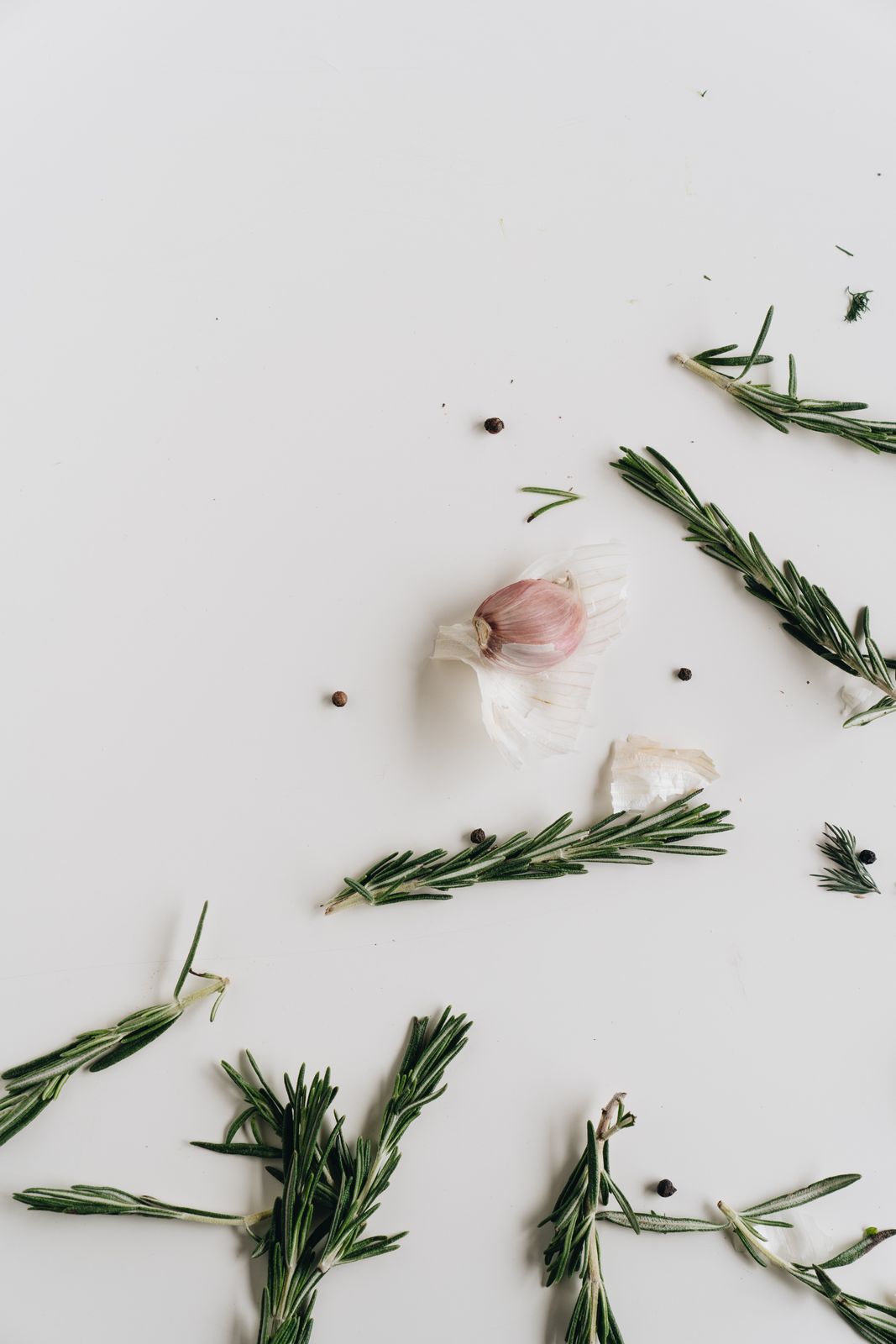
Kitchen herbs and spices are the easiest place to start, because rosemary, bay leaf, basil, garlic, black pepper, cloves, cinnamon, and dill are already in many pantries. Many practitioners keep a small jar of these just for spellwork, so they aren't reaching into the cooking supply.
Rosemary
Rosemary is one of the most widely used herbs for protection, and many practitioners hang it by the front door or burn it to clear a room. Our guide to the magical properties of rosemary covers more of its uses. You can find whole rosemary leaf in our shop.
Bay Leaf
Bay leaf is used for protection and for wishes, and many practitioners write a word or symbol on a dried leaf before adding it to a jar or sachet. The ancient Romans believed laurel trees were immune to lightning, and the emperor Tiberius wore a laurel wreath during storms for protection (Wikipedia: Laurus nobilis). Shop whole bay leaves.
Basil
Basil is used to protect a home and draw in good luck, and many practitioners keep a living pot on a windowsill or by the front door. Our guide to sweet basil explains more.
Garlic
Garlic is one of the best-known protection herbs, used to keep away harm and ill will. Many practitioners hang a braid in the kitchen or keep a whole bulb by the door. Our guide to garlic's magical properties covers more ways to use it.
Black Pepper
Black pepper is used to drive away unwanted influence, and many practitioners mix it with salt to make a protective line across a doorway.
Cloves
Cloves are used to stop gossip and guard a space, and their scent is a common addition to protection sachets and simmer pots. Read more in our guide to cloves, or shop whole cloves.
Cinnamon
Cinnamon brings warmth and luck to protection work, and many practitioners add a stick to a sachet or burn a small pinch. Our guide to cinnamon covers its other uses, and you can find cut cinnamon sticks in our shop.
Dill
Dill is used to protect a home and the children in it, and many practitioners hang a dried sprig above a door or cradle. Our guide to the correspondences of dill explains more.
Garden and Wild Herbs for Protection

Garden and wild herbs like rue, sage, yarrow, St. John's wort, vervain, hyssop, mugwort, angelica, and agrimony are the classic protection herbs of folk practice. Most are sold dried and cut, ready for sachets, jars, and baths.
Rue
Rue is one of the strongest protection herbs in Italian and Mediterranean folk practice, where it's used against the evil eye. Our guide to rue covers its history and how to handle it safely. Shop dried rue (ruda).
Garden Sage
Garden sage is used to cleanse a room before protection work, and many practitioners burn a pinch of the dried leaf. Garden sage (Salvia officinalis) is a different plant from white sage, and it works well for this. Shop cut sage leaf.
Yarrow
Yarrow is used for courage and as a personal shield, and many practitioners carry a little in a pouch when they need to feel steady.
St. John's Wort
St. John's wort is tied to the summer solstice, and its name comes from the custom of harvesting its flowers at Midsummer, a festival later linked to St. John's feast day on June 24 (Wikipedia: Hypericum perforatum). Many practitioners hang it dried above a doorway for protection. Shop cut St. John's wort.
Vervain
Vervain is used for general protection and blessing, and its name comes from the ancient Roman word verbena, used for any sacrificial herb considered very powerful (Wikipedia: Verbena officinalis). Our shop carries blue vervain, the North American species, which many practitioners use the same way.
Hyssop
Hyssop is used for purification, and it appears in the Bible verse "Purge me with hyssop, and I shall be clean" (Psalm 51:7) and in the Passover account of marking doorposts (Exodus 12:22) (Wikipedia: Hyssopus officinalis). Many practitioners add it to a floor wash or bath. Read more in our hyssop guide, or shop cut hyssop.
Mugwort
Mugwort is used for protection during dreams and travel, and many practitioners tuck a small sachet under the pillow. Our guide to mugwort covers its dream uses. Shop cut mugwort.
Angelica Root
Angelica root is used for protection and guardian energy, and many practitioners carry a small piece in a pouch. Shop cut angelica root.
Agrimony
Agrimony is used to send ill will back to its source, and in European folklore it was said to ward off witchcraft (Wikipedia: Agrimonia eupatoria). Many practitioners add it to a sachet or a protection jar. Shop cut agrimony.
Woods, Resins, and Berries for Protection

Juniper, frankincense, and pine are the protection materials most often burned, because their smoke fills a room quickly.
Juniper
Juniper is used to clear and guard a home. In the Scottish Highlands, an old Hogmanay (New Year's) custom called saining involved carrying burning juniper branches through the house and byre (Wikipedia: Saining). Many practitioners today burn a few dried berries or needles instead. Shop whole juniper berries.
Frankincense
Frankincense resin is burned to clear and bless a room, and many practitioners burn a few tears on charcoal before protection work. Shop frankincense resin tears.
Pine
Pine is used to cleanse and protect a home, and many practitioners burn the needles or bark, or hang a branch over the door in winter. Shop cut white pine bark.
Herbs for Cleansing and Protection
The herbs used for both cleansing and protection are sage, hyssop, rosemary, juniper, pine, and frankincense. Many practitioners cleanse a space or themselves first, then add protection, so the protection isn't sealing in heavy energy that was already there.
A simple order is to burn or wash with a cleansing herb, open a window, and then place a protective herb at the door, such as a bay leaf, a rosemary bundle, or a line of salt and black pepper.
Herbs to Burn for Protection

The safest herbs to burn for protection are dried rosemary, garden sage, bay leaf, juniper, pine, and frankincense resin. Burn a small amount on a charcoal disc or in a fireproof dish, keep a window open, and never leave smoke or flame unattended.
Keep smoke away from pets, babies, and anyone with breathing trouble.
How to Use Protection Herbs

The most common ways to use protection herbs are in a sachet, a jar, a doorway sprinkle, a bath, a hanging bundle, or rubbed onto a candle. You don't need all 20 herbs; two or three chosen with care work well.
- Sachet: Fill a small cloth pouch with a pinch of three protection herbs and carry it or hang it by the door.
- Protection jar: Layer salt, rosemary, and a bay leaf in a sealed jar. Our protection spells guide walks through the full protection spell jar.
- Doorway sprinkle: Mix salt with black pepper or dried rosemary and sprinkle a thin line across your doorstep.
- Bath: Add a handful of hyssop, vervain, or rosemary to a bath. Our spiritual bath guide includes a protection bath recipe.
- Hanging bundle: Tie rosemary, bay, or dill with string and hang it above a door.
- Candle: Roll a white or black candle in crushed dried herbs before you light it.
When you make a sachet, many practitioners hold it and say a few words, such as:
Herb and leaf, root and seed,
Guard me well in time of need.
Herbs to Handle With Care
Every use in this guide is outside the body: sachets, jars, sprinkles, baths, and smoke. Don't eat or drink these herbs for spellwork, and wash your hands after handling them.
- Rue can cause skin irritation in sunlight, so wear gloves when you handle it, and it should be avoided during pregnancy (Wikipedia: Ruta graveolens). Our rue guide covers its safety in detail.
- Garlic and several other herbs on this list are toxic to cats and dogs, so keep sachets and loose herbs out of their reach. The ASPCA keeps a list of toxic and non-toxic plants you can check.
- Mistletoe is often listed as a protection herb, but it's poisonous (Wikipedia: Viscum album), so we left it out of this guide.
Where to Find Protection Herbs
You can find most of the herbs in this guide in our dried herbs collection, and smoke-cleansing herbs and bundles in our cleansing herbs collection. Kitchen herbs like basil, garlic, black pepper, and dill are easiest to pick up at the grocery store.
If you keep a basil pot on the windowsill, our guide to how to prune basil keeps it growing.
Frequently Asked Questions (FAQ)
What is the strongest herb for protection?
Rue is often called the strongest herb for protection, especially against the evil eye in Italian and Mediterranean folk practice. Rosemary, bay leaf, and garlic are close behind, and they're easier to find and handle.
What herbs protect a home?
The herbs most used to protect a home are rosemary, bay leaf, basil, garlic, and dill. Many practitioners hang a bundle above the front door, keep a basil plant on a windowsill, or sprinkle salt and dried rosemary across the doorstep.
Can I use spices from my kitchen for protection?
Yes, kitchen spices like black pepper, cloves, cinnamon, and bay leaves are common protection ingredients. Many practitioners keep a separate small jar for spellwork so the cooking supply stays separate.
What herbs can I burn for protection?
The herbs most often burned for protection are dried rosemary, garden sage, bay leaf, juniper, pine, and frankincense resin. Burn a small amount in a fireproof dish with a window open.
Do I need white sage for protection?
No, you don't need white sage for protection. Garden sage, rosemary, juniper, and pine all work for clearing a space. White sage ceremonies are best learned from practitioners within the traditions they come from.