Hecate is the ancient Greek goddess of crossroads, doorways, magic, witchcraft, the night, and the moon. She's most often shown holding two torches or a key, with dogs at her side, and from the 400s BCE onward she was usually shown with three bodies facing three directions. Those images became her main symbols: the torch, the key, the dog, the crossroads, and the triple form. In ancient Athens she was honored once a month at the dark moon, and today many practitioners also honor her on the Night of Hecate, November 16.
Who Is Hecate?
Hecate is one of the oldest goddesses in Greek religion, and she has always stood at the edges: of roads, of houses, and of the worlds of the living and the dead. Her earliest appearance in writing is in Hesiod's Theogony (the 700s BCE), which calls her the daughter of the Titans Perses and Asteria and says Zeus honored her above all others, giving her a share of the earth, the sea, and the sky (Wikipedia).
Scholars think her worship may have begun among the Carians of Asia Minor, where her greatest sanctuary stood at Lagina, in present-day Turkey. In Athens she was a guardian of the household, with small shrines at front doors and at crossroads. The Romans called her Trivia, "of the three ways," and linked her with Diana and the moon goddess Luna. By the first century CE, Roman poets had made her the goddess of witches, and she's been tied to witchcraft ever since. In modern Wicca and many forms of witchcraft, she's honored as the crone aspect of the Triple Goddess.
Hecate also taught magic. In the Argonautica, the famous sorceress Medea learns her craft from Hecate, and later stories call Medea and Circe her daughters.
Hecate Symbols and Their Meanings
Hecate's main symbols are the two torches, the key, the dog, the crossroads, and her triple form, and each one points to her role as a guide through dark and in-between places.
Torches
Two torches are Hecate's oldest and most common symbol. In myth, she carries them to help search for Persephone and then lights Persephone's way back from the underworld. Torches set on either side of a door also let ancient households see who was arriving at night, so the torches stand for guidance and protection in the dark. Many practitioners light two candles in her honor.
Keys
Hecate is called Kleidouchos, "key-holder." Her key opens the gates between worlds, and ancient magical texts call her the keeper of the keys to the underworld. Today the key stands for access to hidden knowledge, new paths, and the mysteries of magic, and it's one of the most popular ways to represent her on an altar.
The Crossroads
Hecate is the goddess of the three-way crossroads, where ancient Greeks set up her shrines and left her offerings. A crossroads is a place of choice and of passage, so Hecate is honored as a guide at turning points in life. Front doors counted too: the path from the street to the door was treated as a crossroads, which is why her shrines stood at the entrances of homes.
The Triple Form
From the 400s BCE, Hecate was usually shown as three figures standing back to back around a pillar, looking down all three roads at once. This statue type, called a hekataion, stood at crossroads and doorways across the Greek world. Later writers described her with three heads, sometimes those of a dog, a serpent, and a horse. Her three faces are often read as past, present, and future, or as earth, sea, and sky.
Dogs
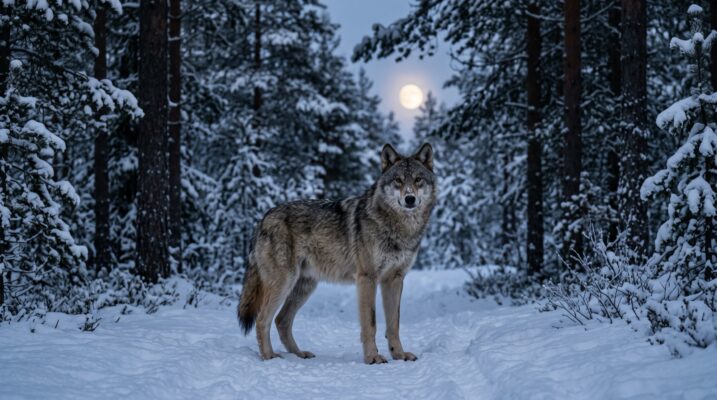
Dogs were Hecate's sacred animal. Ancient art shows a hound at her side, and her approach was said to be announced by barking dogs. Dogs guard doorways and keep watch at night, the same work Hecate does. Many practitioners honor her by caring for dogs, including donating to animal shelters.
Hecate's Wheel (the Strophalos)
Hecate's wheel, or strophalos, comes from the Chaldean Oracles, a mystical text of the 100s CE that names Hecate as the world soul. The Byzantine scholar Michael Psellus described a golden spinning top, whirled on a leather cord in rites sacred to Hecate. The circular maze design sold today as "Hecate's wheel" is a modern interpretation of that spinning wheel, and it has become one of the best-known symbols of devotion to her.
Serpents, Daggers, and the Moon
Some statues show Hecate holding serpents or a dagger alongside her torches and key. Serpents tie her to the earth and the underworld, and the dagger to cutting through what holds you back. She's also linked with the moon, especially the dark moon, because the Romans worshiped her alongside the moon goddess Luna.
Hecate's Sacred Animals and Plants
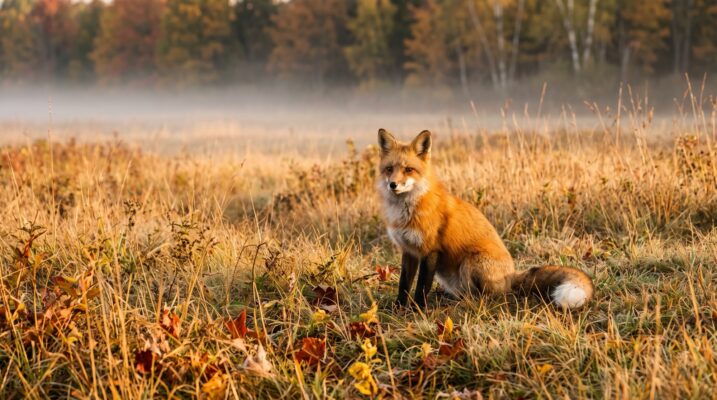
Besides dogs, ancient writers linked Hecate with the polecat, the horse, the serpent, and the red mullet, a fish offered to her in Athens. In modern witchcraft, the frog has also become one of her animals.
Her plants include garlic, the yew, the cypress, and the oak, as well as many poisonous plants used in ancient medicine and magic, like aconite, belladonna, and mandrake. These poisonous plants are dangerous to touch, burn, or swallow, so most practitioners honor them with a picture or a written name on the altar instead of the plant itself. Our guide to the magical properties of garlic covers the safest of her plants.
Hecate Offerings
The traditional offerings for Hecate are the foods of her monthly supper: bread or small cakes, eggs, honey, fish, and garlic. Other common offerings today include candles, keys, wine, pomegranates, and incense. Ancient Greeks left the meal outside at a crossroads or by the front door, and it was never eaten afterward.
If you leave food outside, keep animals in mind: garlic, onions, and grapes are poisonous to dogs, the animal Hecate loves most. Many practitioners leave the plate out overnight and then compost or bin it, or leave a candle and a key instead of food.
Hecate's Deipnon and the Night of Hecate
Hecate's Deipnon, Greek for "evening meal," is the oldest way to honor her. Once a month, on the night of the dark moon, ancient Athenians set a meal outside for Hecate and the restless dead, cleaned and purified the house, and made amends for anything the household had done wrong. The next new moons are October 10, November 9, and December 8, 2026, and many people hold a Deipnon that night or the night before. Our guide to moon phases for spells covers the dark moon's other uses.
The Night of Hecate, November 16, is a modern observance that many witches and Pagans celebrate with candles, offerings, and invocations at a crossroads or altar. No ancient Greek source ties Hecate to that date, but it has become one of the most popular nights of the year to honor her, and it falls in the dark half of the year, a fitting time for the goddess of the night.
Signs Hecate Is Calling You
Many practitioners believe Hecate makes herself known through her symbols. Common signs people report include:
- Keys turning up in unexpected places, or dreams about keys and locked doors.
- Dogs, especially black dogs, appearing at night or following you.
- Crossroads and big choices showing up in your life at the same time.
- A pull toward the dark moon, night walks, or plant magic.
- Dreams of torches, a woman holding a light, or three roads.
A sign is a starting point, not a summons. If you feel drawn to Hecate, read about her, sit with her symbols, and see whether the connection grows.
How to Honor Hecate
You can honor Hecate with a small altar, a monthly offering, and a few words at a threshold.
- Set up an altar with two candles to stand for her torches, a key, and an image or statue of her, like our Goddess Hecate statue. Our guide to connecting with goddesses and gods covers how to begin a devotional practice.
- Hold a Deipnon at the dark moon: tidy and cleanse your home, then set out a small plate of her foods by the door or at a crossroads.
- Wear or carry a key, like our key amulet, as a reminder of her guidance.
- Speak to her at a threshold, your front door or a crossroads, with words of your own or this invocation:
Hecate of the crossroads, keeper of the key,
Light the road before me, and walk the dark with me.
By torch and by threshold, by moon and by night,
Guard my door and guide my steps, and lead me to the light.
To go deeper, Courtney Weber's Hekate: Goddess of Witches is a warm, practical introduction.
Hecate in Shakespeare and Pop Culture
Hecate has been part of English literature for centuries. In Shakespeare's Macbeth, she appears as the goddess who rules the three witches, and Macbeth's dagger speech says "witchcraft celebrates pale Hecate's offerings." Shakespeare's audiences said her name in two syllables, "HEK-it." Today, many people meet her in the video game Hades II, where she's the mentor of the hero, Melinoë.
Hecate FAQ
What is Hecate the goddess of?
Hecate is the Greek goddess of crossroads, doorways, magic, witchcraft, the night, the moon, ghosts, and the underworld. She's a guide and guardian for anyone passing through dark or in-between places.
What is Hecate's main symbol?
Hecate's main symbols are two torches and a key. She's also represented by dogs, the crossroads, her triple form, and Hecate's wheel, the strophalos.
What is Hecate's wheel?
Hecate's wheel, or strophalos, is a spinning wheel or top used in rites sacred to Hecate and named in the Chaldean Oracles. The circular maze design known as Hecate's wheel today is a modern interpretation of it.
Is Hecate a Titan?
Hecate isn't usually counted as a Titan, but she's the daughter of two Titans, Perses and Asteria, according to Hesiod. Zeus let her keep her honors after the Titans fell.
Is Hecate evil?
No. In ancient Greece, Hecate was a protector of homes, travelers, and cities, and Athenians kept her shrines at their front doors. Her ties to ghosts, night, and witchcraft gave her a darker reputation in later stories.
How do you pronounce Hecate?
Hecate is most often pronounced "HEK-uh-tee." The older two-syllable "HEK-it," used in Shakespeare's plays, is still heard too.
What offerings does Hecate like?
Traditional offerings for Hecate include bread or cakes, eggs, honey, fish, and garlic, left at a crossroads or by the front door at the dark moon. Candles, keys, and incense are common offerings today.
When is the Night of Hecate?
The Night of Hecate is November 16, a modern observance popular in witchcraft. In ancient Athens, Hecate was honored every month at the Deipnon, on the night of the dark moon.