The benefits of gratitude practice can make your life infinitely easier, better, and more fun.
And if you’re just starting your spiritual journey, or if you feel everything deeply and often hold space for others, gratitude isn’t just a feel-good trend. It’s a tool for emotional balance, energetic clarity, and spiritual growth.
Here’s what you need to know about why gratitude works, how it helps your spirit, and the easiest ways to bring it into your daily life.
What Is A Gratitude Practice?
A gratitude practice is any intentional action that helps you focus on what you appreciate or value.
This could be something big (like getting through a hard season) or small (like the comfort of your morning tea).
5 Spiritual & Emotional Benefits of Gratitude Practice
Helps You Feel Grounded & Safe
Gratitude brings you back to the present moment, which helps when you’re sensitive to emotions or energy.

Many people notice their breathing slow and their shoulders drop when they pause to feel grateful. Over time, a regular practice can leave you feeling steadier, especially if you’re a highly sensitive person.
Raises Your Vibration
When you focus on what’s working, your energy naturally shifts. Gratitude creates a higher vibrational state, making it easier to attract more positivity and clarity.

Studies from the University of California, Davis have found that grateful individuals experience more vitality, alertness, and enthusiasm. That extra energy helps you move through your day with a lighter spirit.
Over time, a steady gratitude practice can brighten your outlook. Many practitioners describe this as a vibrational shift that makes it easier to notice opportunities.
Strengthens Intuition
A peaceful, grateful mind is more open to intuitive guidance. Many spiritual practitioners find their inner voice gets louder and more accurate when they’re grounded in appreciation.
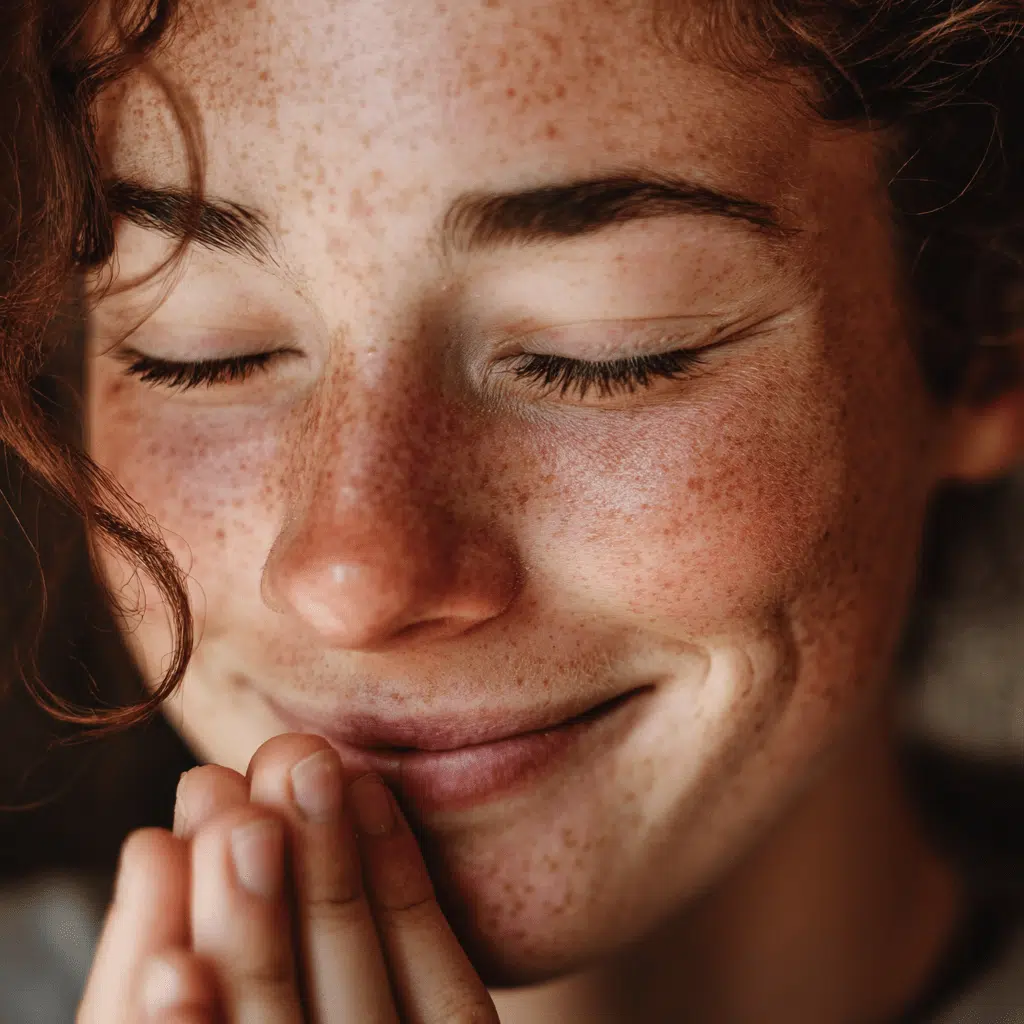
When gratitude eases the day’s worries, your mind settles, making it easier to notice intuitive signals without fear or worry drowning them out. This clear energetic space allows messages from your higher self or guides to come through more strongly and accurately.
Helps You Through Hard Times
By noticing what’s good, even during hard times, gratitude makes room for hope and compassion. It doesn’t ignore what’s hard; it balances it.
Research gathered by UC Berkeley’s Greater Good Science Center links gratitude with resilience when life gets stressful.
For sensitive people, this can mean feeling steadier when emotions run high. Over time, gratitude builds a foundation of self-trust.
Helps You Close the Day Gently
Many people find that writing down what they’re grateful for before bed helps them close the day on a softer note.
A short gratitude list makes an easy evening ritual, because it gives your mind something kind to rest on before sleep.
Easy Gratitude Practices to Try
Give these gratitude practices a try!
✍️ The “3 Good Things” Method

During your favorite part of the afternoon or evening, write down three things you’re grateful for and why. Over time, you start noticing the good more easily.
🍃 Nature Gratitude
During your daily walk or outdoor moment, name three things in nature you appreciate (sunlight, wind, leaves). This helps ground your energy and reconnects you to Earth.
🕯️ Ritual Gratitude with Candlelight
Before meditation or energy work, light a gratitude-focused candle. Speak your thanks aloud, even for small things. This is especially powerful before caregiving, Reiki, or holding space for others.
What To Avoid
Don’t force it. Gratitude should feel real, not like something you have to do.
If it feels forced, then you'll experience lower benefits of gratitude practice.
Don’t skip hard emotions. Gratitude isn’t toxic positivity. You can be grateful and sad. And confused. Both can exist.
Don’t aim for a long list. Three sincere items are more powerful than ten shallow ones.
Gratitude is a powerful yet gentle tool for anyone walking a spiritual path. Whether you’re new to your practice or deeply empathic and giving to others, this simple shift in focus can help you feel more balanced, connected, and supported.
Start small. Stay honest. Let your gratitude practice meet you exactly where you are.