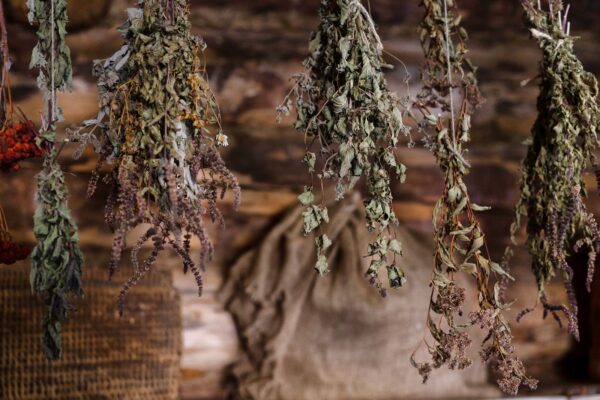
The hawthorn tree is the fairy tree of Irish and British folklore, a thorny tree said to mark the doorway to the otherworld and to belong to the fairies, so cutting one down is believed to bring terrible luck. Its white blossom, called May, opens around May Day and Beltane, which ties the hawthorn to spring, fertility, love, and new beginnings. Spiritually, the hawthorn stands for protection, hope, the threshold between worlds, and the heart. Its red berries, called haws, and its long thorns made it one of Europe's oldest protective hedges and charms.
What Is a Hawthorn Tree?
Hawthorn is a group of several hundred species of thorny shrubs and small trees in the genus Crataegus, part of the rose family, native to temperate parts of Europe, Asia, North Africa, and North America (Wikipedia). In Britain and Ireland, "hawthorn" usually means the common hawthorn, Crataegus monogyna, a dense tree that grows to about 33 feet tall (Wikipedia). It also goes by may tree, whitethorn, quickthorn, and haw.
The names carry the tree's character. Crataegus comes from the Greek kratos, "strength," for its hard wood, and akis, "sharp," for its thorns. "Haw" is an Old English word for hedge, from haguthorn, "a fence with thorns," and it's also the name for the tree's berries.
Indian hawthorn and Washington hawthorn are garden shrubs and trees in the same family, but the folklore in this guide belongs to the common hawthorn of Europe.
How to Identify a Hawthorn Tree

You can recognize a common hawthorn by:
- Thorns: sharp thorns along the younger stems.
- Leaves: small, deeply lobed leaves, dark green on top and paler underneath.
- Flowers: clusters of 5 to 25 small white flowers, often blushed pink, with red-tipped stamens, blooming in May and early June.
- Berries: small, oval, dark red haws in autumn, each holding a single hard seed.
- Bark: dull brown, with vertical orange cracks on older trunks.
Hawthorn is also one of the most common hedge plants in Britain and Ireland, so many of the "hedges" in those countryside photos are rows of hawthorn.
What Does the Hawthorn Tree Mean Spiritually?
The hawthorn stands for protection, the otherworld, hope, love, and the turning of the year toward summer. Here's what it means to many practitioners:
- The doorway to the fairy world. In Gaelic folklore, the hawthorn marks the entrance to the otherworld, and a lone hawthorn standing in a field is treated as a fairy tree.
- Protection. With its dense thorns, hawthorn was planted as a living fence and hung over doors and cradles to keep harm away.
- Hope and marriage. The ancient Greeks carried hawthorn in wedding processions and decorated the altar of Hymenaios, the god of marriage, with it, and the hawthorn was regarded as an emblem of hope.
- Fertility and summer. As the May blossom, hawthorn is tied to May Day, Beltane, and the fertile, blooming start of summer.
- Boundaries. As the classic hedge plant, hawthorn stands for the line between the tame and the wild, and between this world and the other.
- The heart. In modern witchcraft, hawthorn is often linked to love and matters of the heart.
The Fairy Tree: Hawthorn in Irish Folklore
In Ireland, the hawthorn, called sceach in Irish, is the fairy tree above all others. Folklore holds that it's very unlucky to cut a hawthorn at any time except when it's in bloom, and that lone hawthorns standing apart from other trees are especially sacred (Wikipedia).
That respect has made headlines. In 1999, road builders in County Clare planned to cut down a whitethorn called the Latoon fairy bush to make way for a new road. Irish storyteller Eddie Lenihan, one of the last traditional seanchaithe, or lore-keepers, spoke up for it: in local tradition, the bush was the meeting place where the fairies of Munster gathered before riding out against the fairies of Connacht (Wikipedia). His stand made international news. Folklorist Bob Curran has even wondered whether the troubles of the DeLorean Motor Company had anything to do with a fairy thorn cut down to build its factory in Northern Ireland.
Hawthorns also grow beside many holy wells in Ireland and Britain, called clootie wells, where people tie strips of cloth to the branches as part of healing rituals. These trees are sometimes called rag trees.
Hawthorn, May Day, and Beltane
The hawthorn blooms around May 1, so it's the tree of May Day and Beltane, the Gaelic festival marking the start of summer. In parts of Ireland, people made a May Bush: a thorn bush or branch decorated with flowers, ribbons, bright shells, and rushlights. In Wales, on May Eve, people gathered hawthorn and flowers to decorate their houses for new growth and fertility (Wikipedia). Gathering green branches and blossom to decorate homes, called "bringing in the May," was a May Day custom across Britain. Our guide to Beltane correspondences covers more of the festival's traditions.
Hawthorn Birth Flower
Hawthorn is one of the two May birth flowers, along with lily of the valley. As a birth flower, it stands for hope, happiness, and the start of good things, the same themes it carries at May Day.
Hawthorn in Myth, Religion, and Folk Protection
Hawthorn turns up across European belief:
- The crown of thorns. A long-standing belief that Christ's crown of thorns was made of hawthorn made the tree sacred to many Christians. As late as 1911, French country people said hawthorn groaned and cried out on Good Friday.
- The Glastonbury Thorn. In Glastonbury, England, legend says a hawthorn sprang from the staff of Joseph of Arimathea when he pushed it into the ground in the first century. Unlike ordinary hawthorns, the Glastonbury thorn flowers twice a year, in winter and spring, and a budded branch is sent to the British monarch every Christmas (Wikipedia).
- Protection against harm. Hawthorn was placed in the cradles of babies and around houses and doorways for protection. The ancient Greeks reportedly put hawthorn in windows to keep witches out, and in Bohemia it was laid on the thresholds of cow sheds for the same reason (Wikipedia).
- Lightning. In Britain and Ireland, lone thorns were believed to come from lightning and to protect against lightning strikes.
Hawthorn Magical Properties and Correspondences
| Correspondence | Hawthorn |
|---|---|
| Main uses | Protection, fairy work, love, fertility, happiness, hope |
| Planet | Mars |
| Element | Fire |
| Sabbat | Beltane |
| Ogham letter | Huath (H) |
| Pairs well with | Rowan, oak, rose, and red or white candles |
Hawthorn's thorns and its Beltane fire give it its Mars and Fire associations. For more protection herbs and correspondences, try our Spell Ingredients Finder.
How to Use Hawthorn in Your Practice
Hawthorn is best worked with gently and respectfully, especially a living tree:
- Leave an offering at a hawthorn. If there's a lone hawthorn near you, leave a small offering at its roots, like milk, honey, bread, or a ribbon, and say thank you. Many practitioners never take anything from a fairy tree without asking first.
- Carry dried haws for protection. Add a few dried hawthorn berries to a protection sachet or charm bag with a pinch of salt.
- Make a May bush for Beltane. Decorate a branch, ideally a fallen one or one cut while the tree is in bloom, with ribbons and flowers and set it by your door.
- Plant a hawthorn hedge. A hawthorn hedge is a living ward around your garden and a haven for birds and pollinators.
- Use blossom in love work. Float a few hawthorn flowers in a bowl of water on your altar on May Eve while you think of love you'd like to grow.
- Honor the threshold. Hang a sprig of dried haws or a thorny twig above your door for protection.
A Simple Hawthorn Protection Charm
Thread nine dried haws onto a length of red thread and tie the ends together into a small loop. Hold it over your door and say:
"Thorn and haw, keep harm away; guard this door by night and day."
Hang it above the inside of the door frame, and replace it once a year, ideally at Beltane.
Is Hawthorn Safe?
Hawthorn is generally gentle to handle, with a few cautions:
- Mind the thorns. Hawthorn thorns are long and sharp, so wear gloves when you handle branches. Like any thorn scratch, a deep puncture can get infected, so clean it well.
- Don't take it as medicine on your own. Hawthorn is sold as an herbal supplement, but it can cause side effects and may interact with heart medications, and little is known about its safety in pregnancy (NCCIH). Talk to your doctor before taking it.
- Haws are mostly for magic here. The fruit of the common hawthorn is edible and is sometimes made into jelly or wine, but we recommend using our dried haws for spellwork and charms.
This is spiritual practice, not medical advice.
Hawthorn Tree FAQ
What does a hawthorn tree symbolize?
The hawthorn symbolizes protection, hope, love, fertility, and the doorway to the fairy world. It's also the tree of May Day and Beltane.
Why is the hawthorn called a fairy tree?
In Irish and Gaelic folklore, the hawthorn marks the entrance to the otherworld and belongs to the fairies, especially a lone hawthorn standing in a field. Cutting one down is believed to bring very bad luck.
Is it bad luck to cut down a hawthorn tree?
In Irish and British folklore, yes. Tradition says a hawthorn should only be cut when it's in bloom, and lone fairy thorns shouldn't be cut at all.
What is the May birth flower?
May has two birth flowers: hawthorn and lily of the valley. Hawthorn stands for hope and happiness.
What does a hawthorn flower tattoo mean?
A hawthorn flower tattoo usually stands for hope, protection, and new beginnings, and many people born in May choose it as their birth flower.
Are hawthorn thorns poisonous?
Hawthorn thorns aren't known to be poisonous, but they're long and sharp, and a deep puncture can get infected. Clean any scratch well and see a doctor if it gets red or swollen.
How do you identify a hawthorn tree?
Look for sharp thorns, small deeply lobed leaves, clusters of small white or pink flowers in May, and dark red berries called haws in autumn.
What is the Glastonbury Thorn?
It's a hawthorn in Glastonbury, England, said to have grown from the staff of Joseph of Arimathea. It flowers twice a year, and a sprig is sent to the British monarch every Christmas.
Featured photo: a hawthorn in bloom in Ireland by Grandpa David, CC BY 3.0, via Wikimedia Commons.