If you've seen an orange covered in whole cloves and wondered what it's called, it's a pomander. An orange pomander, also called a clove orange or a pomander ball, is a fresh orange studded with cloves and left to dry until it's light, hard, and fragrant.
You only need two things to make one: a firm orange and a jar of whole cloves. You poke small holes in the peel, press a clove into each one, and let the orange dry for about two weeks. As it dries, it gives off a warm, spicy scent.
We make them as a charm for luck and optimism. In our practice, each ingredient brings its own energy to the goal: the orange stands for the sun, and cloves are used for good luck, prosperity, and protection.
What Is a Pomander?
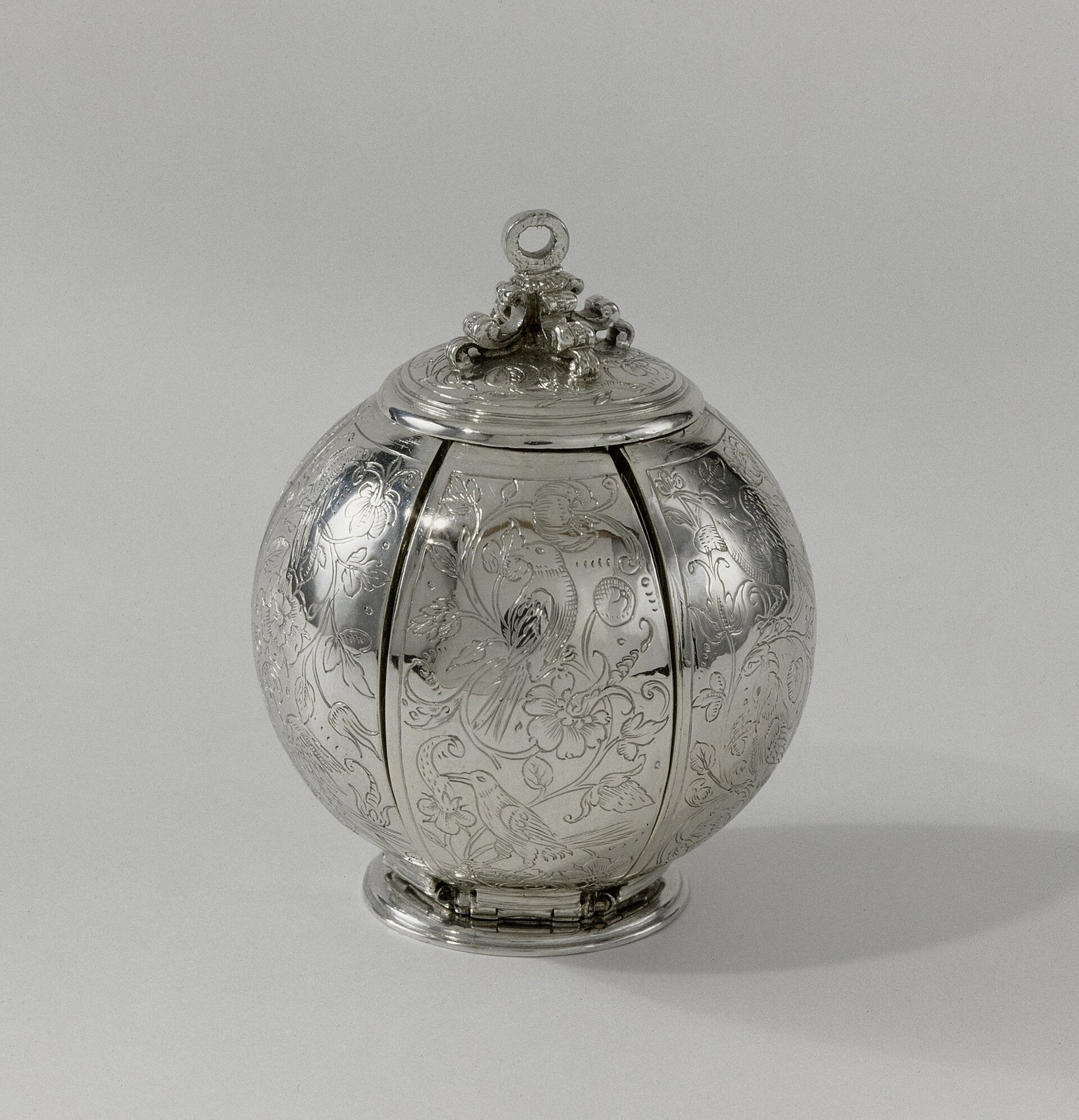
A pomander is a ball of scent. The word comes from the French pomme d'ambre, "apple of amber," and the first pomanders were balls of perfume such as ambergris and musk, according to Wikipedia's pomander article.
People carried them in pierced cases of gold or silver, hung from a neck chain or a belt. They were first mentioned in writing in the mid-1200s and stayed in use from the late Middle Ages through the 1600s. They masked bad smells, and in plague years people hoped the scent would protect them. In 1520, the Duke of Buckingham ordered a gold pomander as a New Year's Day gift for Catherine of Aragon, and Elizabeth I wore pairs of pomander buttons.
The clove-studded orange is much newer. Wikipedia describes it as a twentieth-century style of pomander, made by studding an orange with whole cloves and letting it dry.
What You Need
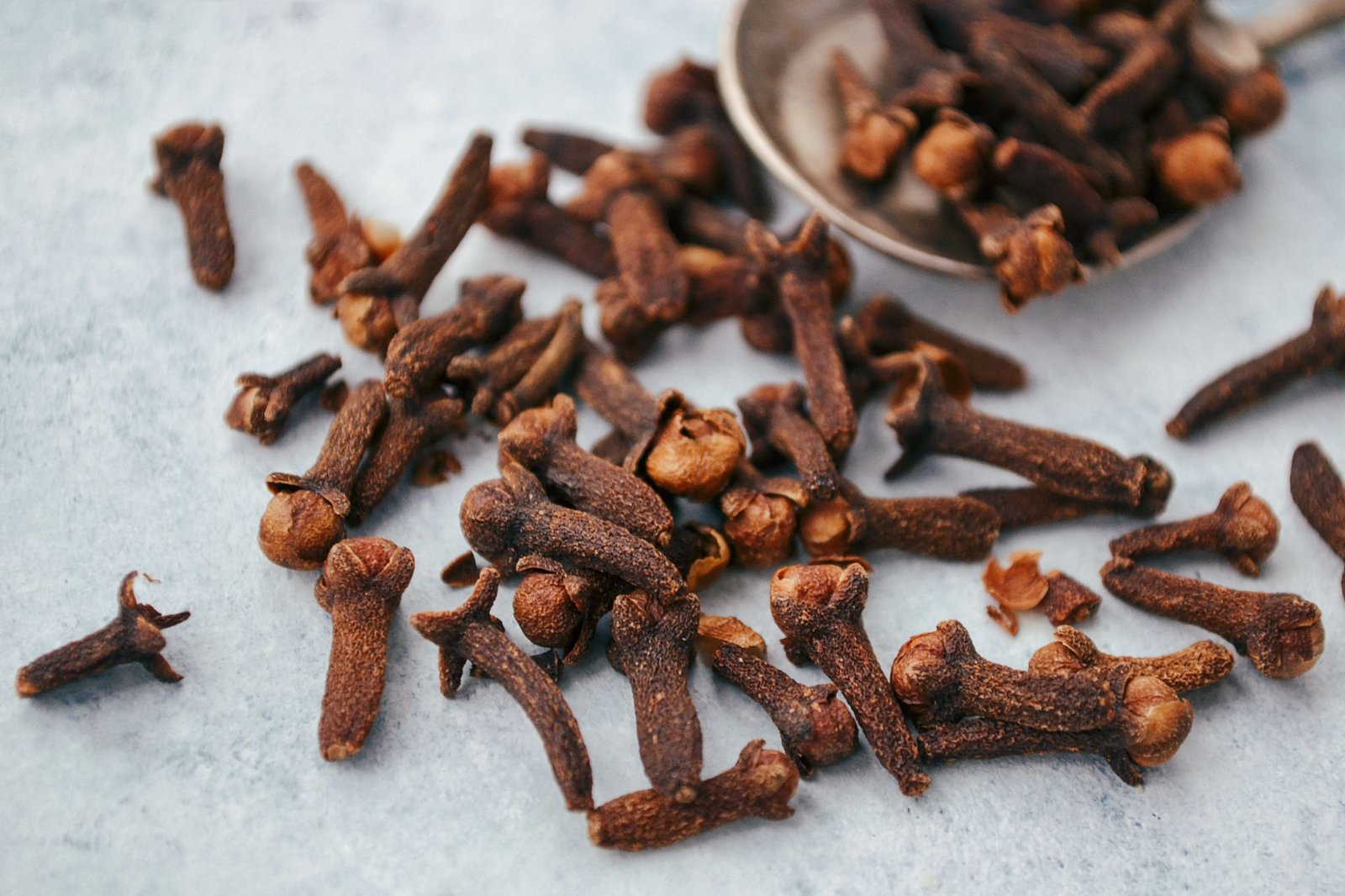
A plain orange pomander takes two ingredients and a toothpick.
- Firm oranges. Thin-skinned oranges are best, according to the National Park Service. Navel oranges and blood oranges both work. Use small oranges if you plan to hang them as ornaments.
- Whole cloves. You'll use a lot of them.
- A toothpick or a fork, for making the holes.
- Ribbon, cord, or wire for hanging. Our black waxed cotton cord works for hanging.
- A plate or tray, for drying.
For a stronger scent, The Old Farmer's Almanac rolls the finished orange in a spice mix:
- 1 teaspoon ground cinnamon
- 1 teaspoon ground cloves
- 1 tablespoon ground nutmeg
- 1 tablespoon allspice
- ¼ cup powdered orris root
What the Orange and the Cloves Stand For
An orange pomander is a small charm for luck and optimism, and each part of it has a meaning.
| Ingredient | What it stands for |
|---|---|
| Orange | Happiness, optimism, and the sun |
| Whole cloves | Good luck, prosperity, and protection |
| Cinnamon (optional) | Drawing money and speeding up magic |
A round, bright orange looks like a little sun, which suits the winter solstice. You can read more on our page for cloves.
How to Make an Orange Pomander
These are the steps for one orange.
- Wash and dry a firm orange. A thin-skinned one is best.
- Plan your pattern. Decide where the cloves will go: diamonds, circles, spaced rows, or the whole surface. You can mark the pattern on the peel with a pen.
- Poke the holes. Use a toothpick or a fork tine to make a small hole for each clove. This makes the cloves easier to push in, and it's kinder to small hands. Keep the holes small, or the cloves will fall out.
- Press in the cloves. Start at the stem end of the orange and push one whole clove into each hole. Leave a little space between cloves that sit in a straight line, because a tight row can split the peel.
- Say your words. As you set the cloves, you can say what the pomander is for. There's a short rhyme below.
- Roll it in spice, if you like. Cover the whole orange with cloves, roll it in the spice mix, and leave it in the mix for a week, turning it once a day.
- Add a hanger. Tie a ribbon around the orange, or run a long wire through it with a knot at the bottom and a loop at the top.
- Let it dry. Set the pomander on a plate or tray for about two weeks.
A Rhyme for Luck
Orange bright as winter sun,
Bring good luck to everyone.
Clove by clove, I set it here,
Sweeten all the coming year.
How to Dry a Pomander and Make It Last
A pomander dries in about two weeks on a plate or tray, according to the National Park Service. The Old Farmer's Almanac keeps its pomanders in a paper bag for a few weeks instead. Either way, the cloves draw the juice out of the orange, and the orange shrinks and hardens as it dries.
Two things help, according to the Almanac: use plenty of cloves, and dust the orange with cinnamon. Kept dry, a pomander lasts through the winter, and Wikipedia notes that a fully cured clove orange can last for years.
Patterns and Ideas
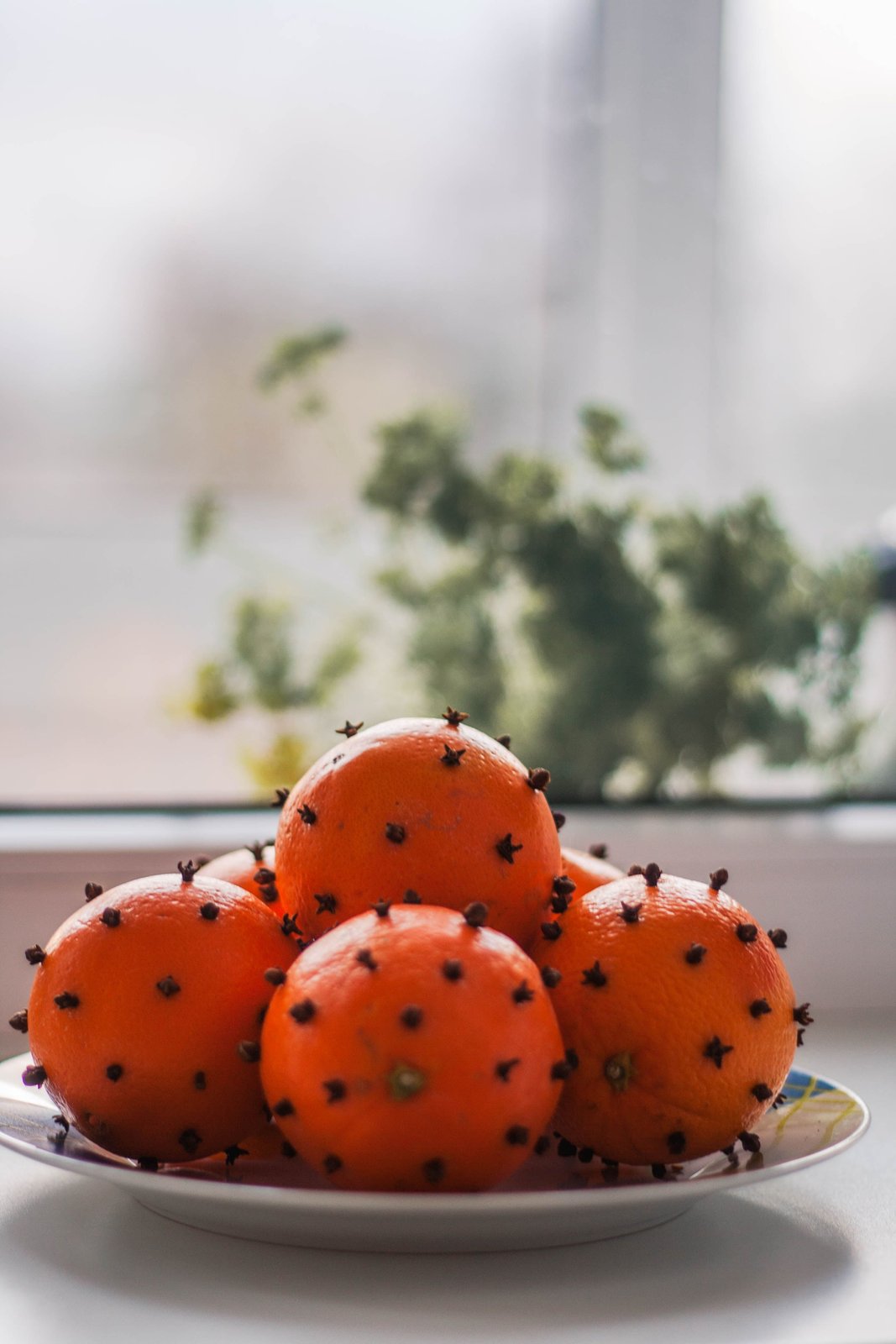
Cloves can go on in any pattern you like. Here are a few ideas.
- Diamonds, circles, and spaced rows. These are the classic patterns.
- A sun. Set a ring of cloves with rays coming off it, for the winter solstice.
- A bowl of pomanders. Several oranges in a bowl make a centerpiece for the table.
- Ornaments. Small oranges make fragrant ornaments for a tree.
- A drawer or closet sachet. A dried pomander keeps clothes and linens smelling fresh.
- A gift. Tie a ribbon around a finished pomander and give it to a friend or neighbor.
Keep Pomanders Away From Pets
Oranges are toxic to dogs, cats, and horses, according to the ASPCA. The fruit itself is edible, but the peel and other parts of the plant can cause problems, and a pomander is a whole orange, peel included. Hang pomanders where pets can't reach them, and don't leave a bowl of them on a low table.
A pomander isn't for people to eat, either.
Where to Hang It
Hang a pomander by the front door for luck and protection, in the kitchen, or on a branch of the tree. They're a lovely thing to make for the winter solstice, and kept dry, they last the whole winter.
A pomander pairs well with a dried orange garland. For more decorations to make by hand, see our salt dough ornaments and cinnamon ornaments.
Orange Pomander FAQ
What Is a Pomander?
A pomander is a ball of scent. Today the word usually means an orange studded with whole cloves and dried. Centuries ago, it meant a ball of perfume carried in a pierced gold or silver case.
Why Is It Called a Pomander?
The word comes from the French pomme d'ambre, which means "apple of amber." Early pomanders were round and often contained ambergris.
How Long Does an Orange Pomander Take to Dry?
An orange pomander dries in about two weeks on a plate or tray. Some people keep theirs in a paper bag for a few weeks instead.
How Long Do Orange Pomanders Last?
Kept dry, an orange pomander lasts through the winter, and a fully cured one can last for years.
What Do You Do With a Pomander?
You can hang a pomander by the door or on a tree, set several in a bowl as a centerpiece, or keep a dried one in a drawer or closet to scent your clothes and linens.
Are Orange Pomanders Safe for Pets?
No. The ASPCA lists oranges as toxic to dogs, cats, and horses, and the peel is the part that causes problems. Hang pomanders out of a pet's reach.
What Does an Orange Pomander Symbolize?
An orange pomander is a charm for good luck and optimism. The orange stands for the sun, happiness, and optimism, and the cloves are used for good luck, prosperity, and protection.